Art Rosenbaum
An Icon of the Old-Time Banjo
(Ogdensburg, New York, 1938—Athens, Georgia, 2022)

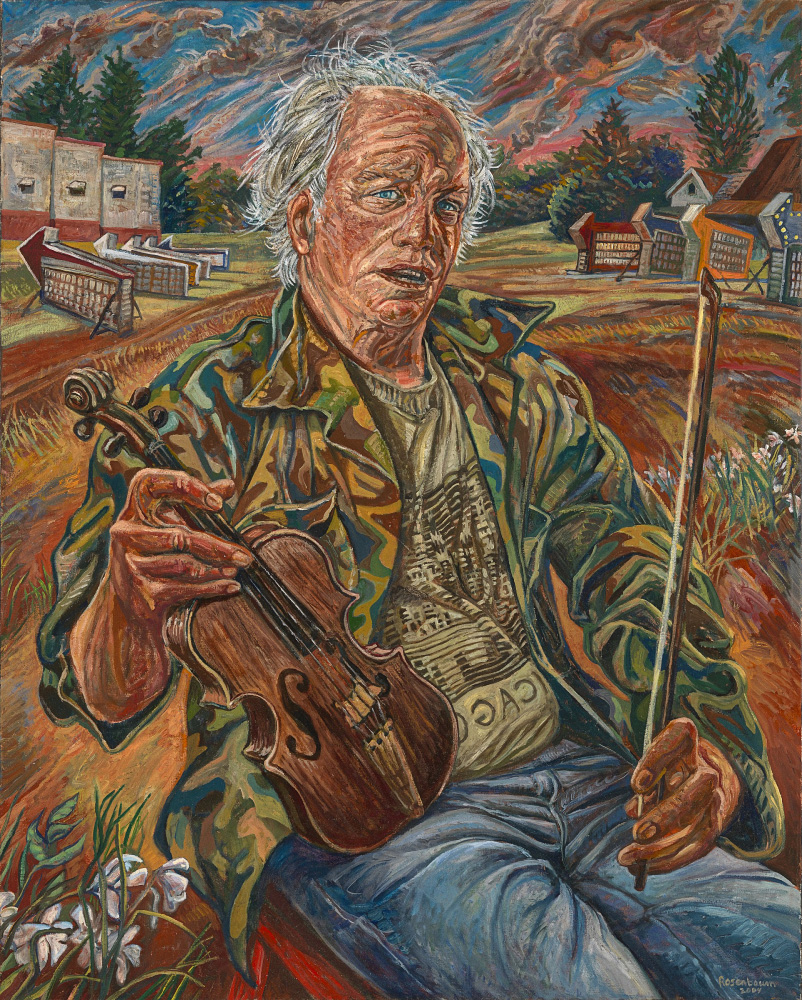 In the years following the devastation of World War II, a sharp resurgence of interest in traditional music emerged in the United States—a movement that steadily intensified starting in the mid-1950s. With the publication of the instructional method Old-Time Mountain Banjo (Oak Publications, 1968), Art Rosenbaum, alongside the New Lost City Ramblers, established himself as a seminal figure of the American Northeast five-string banjo renaissance. Much like Alan Lomax and Pete Seeger1 had done before him, he brought numerous obscure traditional artists into the academic and public spotlight. Like the great revivalists of his generation, he led a remarkably fulfilled life. Rosenbaum, who frequently maintained that the purpose of art was not to forge a career but to construct a life, built his own—to paraphrase Stephen Foster—“with a banjo on his knee.” In doing so, he inspired others to pursue the same path, joining the ranks of the foremost advocates of cultural democracy, including Alan Lomax (1915–2002), Izzy Young (1928—2019), and Ralph Rinzler (1934—1994).
Even at the age of 77—a time when many of his peers had retired from active public life—Rosenbaum still retained the energy and dedication required to share his extensive knowledge. Old-Time Banjo, his final work, published by Mel Bay in 2015, stands as a masterful study and a unique document of its kind, crowning sixty years of fieldwork and dedication to the traditional music of the United States. It will undoubtedly remain a landmark reference for future generations.
Having been awarded two Fulbright Fellowships for academic and cultural exchange—one in France, the other in Germany—Rosenbaum spent a significant period of his life in Europe. This explains the strong command of French and German maintained by this polyglot, who was also the son of Polish Jewish immigrants. Alongside his career as a painter, illustrator, and muralist, he delivered unforgettable concerts and workshops on both sides of the Atlantic. He was consequently invited to the major banjo gatherings of the late twentieth century, including all three editions of the Tennessee Banjo Institute and the Maryland Banjo Academy. Back in the 1970s, European audiences had the privilege of hearing and meeting this essential figure of the traditional five-string banjo. Once in Brussels, in the intimate setting of a small venue, he truly gave the author the impression of a missionary sharing a vital musical tradition—one that listeners, in many respects, deeply needed to hear. The author met him again more than twenty years later in Buckeystown (Frederick, MD) at the 2000 Maryland Banjo Academy. This gathering of distinguished banjoists was organized by the children of Hub Nitchie (1929—1992), the founder of Banjo Newsletter in 1973, the renowned contemporary publication dedicated exclusively to the five-string banjo (which ran until 2021).
By publishing one of the first comprehensive instructional methods for old-time banjo in 1968, Art Rosenbaum established himself as one of the major figures in the American five-string banjo revival. He stood alongside pioneers like Pete Seeger (1919—2014), Mike Seeger (1933—2009), John Cohen (1932—2019), Tom Paley (1928—2017), as well as subsequent revivalists including Bob Carlin (b. 1953), Miles Krassen, Brad Leftwich, and Ken Perlman. Concurrently, due recognition must be given to Earl Scruggs (1924—2012), Don Reno (1927—1984), and Eric Weissberg (1939–2020), who propelled bluegrass banjo onto national and international stages within a distinct musical framework.
In the field of old-time music scholarship, Art Rosenbaum—who passed away in 2022—leaves an indelible mark. Beyond his contributions to folk music, however, he was also a highly regarded painter. After earning degrees in art history and painting from Columbia University in New York, he initially taught at the University of Indianapolis. He subsequently spent three decades in Athens, Georgia, at the University of Georgia’s Lamar Dodd School of Art, where he was named a Wheatley Professor. This academic tenure allowed him to pursue his twin passions concurrently. Having shown a strong aptitude for painting from an early age with his family’s encouragement, Rosenbaum made teaching studio art his primary profession. Nevertheless, critics generally agree that his visual art remains inseparable from his music; both disciplines converged to enrich his expression of the human experience conveyed through American folk music.
His primary links to Belgium were established through his connections with sculptor Olivier Strebelle (1927—2017), who owned several of Rosenbaum’s paintings, and fellow American expatriate Derroll Adams (1925—2000). Notably, Rosenbaum had encouraged Adams to record the song “Pay Day at Coal Creek” for the album Folk Friends (Folk Freak FF 3001, 1978; see below, under Pete Steele). On a personal note, Rosenbaum generously supported the author's work by contributing a meticulous review and a foreword for two volumes published by L’Harmattan in 2015 and 2019.
His creative output was so prolific that a complete inventory would be prohibitive to compile here. Fortunately, extensive and reliable information remains widely accessible online. Primary source material can be found on his official website, as well as in articles published by The Old-Time Herald, Banjo Newsletter, Bluegrass Unlimited, the Journal of American Folklore, and The Scholarly Publishing Collective (to which he was a frequent contributor). A notable example is the 1995 article written for The Old-Time Herald by Alice Gerrard (b. 1934), another legendary figure in old-time and bluegrass music.
Driven by a lifelong commitment to sharing his findings and sources, Rosenbaum preserved his personal documentation and research archives by depositing them in specialized research centers. His life’s work is currently archived and cataloged at the University of Georgia and within American Folklife Center at the Library of Congress. Finally, it should be noted that Art Rosenbaum consistently relied on the intellectual and artistic support of his wife, Margo Newmark (b. 1939), a photographer, painter, and traditional music collector who contributed extensively to her husband’s work through her illustrations.
-
ROSENBAUM Art. Official Website
http://artrosenbaum.org/v2/ -
GERRARD Alice. “A Shared Passion. Art Rosenbaum & Friends.” Old-Time Herald Magazine, Vol.5 / 2, Winter 1995-1996, pp. 22-35.
https://southernmusicresearch.org/items/show/2557 -
PERLMAN Ken. “Art Rosenbaum’s Old-Time Banjo Book.” Banjo Newsletter, February 2015.
https://banjonews.com/2015-02/art_rosenbaums_old-time_banjo_book.html -
PERLMAN Ken. “Art Rosenbaum.” Banjo Newsletter, Vol. XXV, November 1997.
https://banjonews.com/1997-11/art_rosenbaum_interview.html -
HARPER Dennis. “Art’s Spark. Remembering the Life and Art of Art Rosenbaum.” Athens Historian, Vol. 22-23, 2013, pp. 4-9.
https://athenshistorical.org/wp-content/uploads/2023/11/2023-Athens-Historian-vol-23-final-10-27-23-r.pdf - HARPER Dennis et al. Weaving His Art on Golden Looms: Paintings and Drawings by Art Rosenbaum. Athens: University of Georgia / Georgia Museum of Art, 2006, 103 p. [catalogue d’exposition]
-
ROSENBAUM Art. “The Lost Recordings of Banjo Bill Cornett.” Old-Time Herald Magazine, Vol. 10/4, April-May 2006.
https://fieldrecorder.org/review-of-the-lost-recordings-of-banjo-bill-cornett/ -
Dust to Digital
https://dusttodigital.substack.com/p/remembering-art-rosenbaum-december -
Unbroken Circle, 2025
https://www.accgov.com/11587/Unbroken-Circle-The-Musical-Threads-of-A 2005 — revised in 2010 -
Art Rosenbaum Georgia Folklore Collection. AFC 2000/203 — Library of Congress
https://tile.loc.gov/storage-services/service/gdc/gdcfindingaidpdfs/af005003/af005003.pdf -
Papers — University of Georgia
https://sclfind.libs.uga.edu/catalog/ms4608 -
A Resonant Legacy
https://www.lindamatneygallery.com/art-rosenbaum

Throughout his long career, Art Rosenbaum played and recorded primarily on three Wildwood banjos, which were crafted in the California workshop established by Mark Platin in 1973. Although he initially favored the “Tu-ba-phone” tone ring, his ultimate preference shifted toward a rim featuring a hardwood tone ring. Two of the company’s early trade catalogs (1982 and 1983) were deposited at the library of the Musical Instruments Museum (MiM) in Brussels (inv. 2018.299a—shelf mark 6 R 224a).
For further details, see Art Rosenbaum “Wildwood: An Appreciation,” Banjo Newsletter, May 2010.
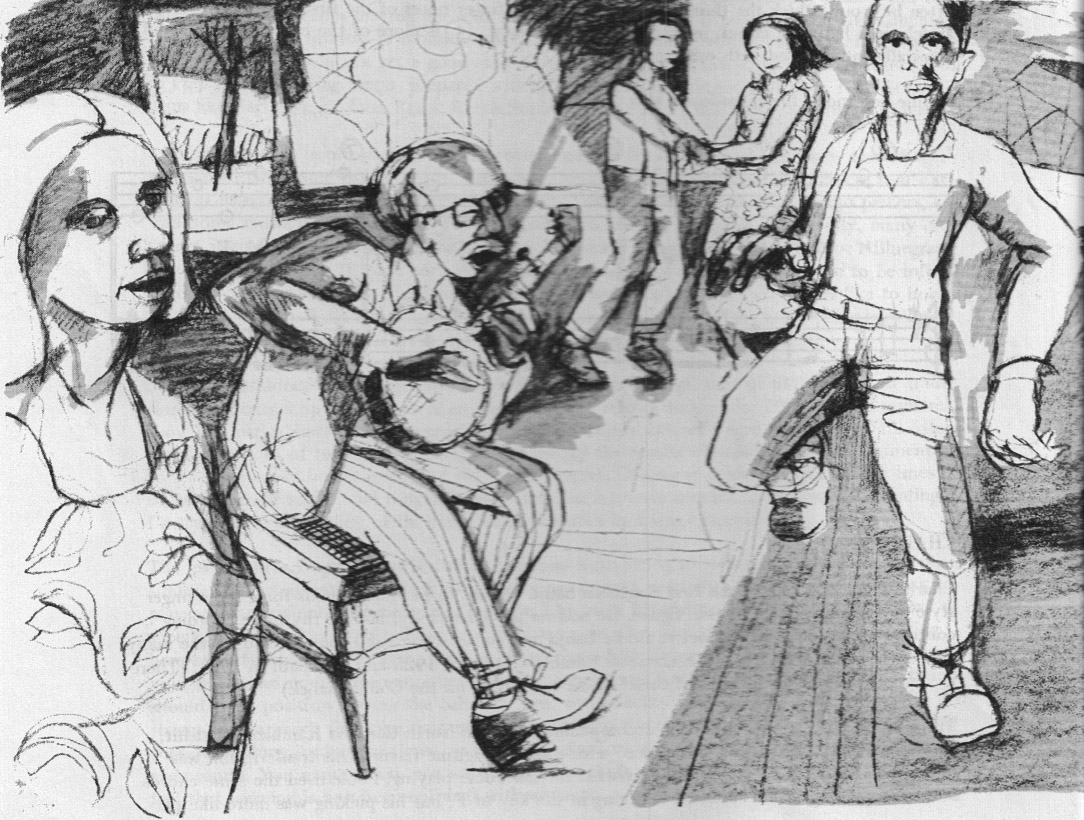
Art Rosenbaum, Banjo Player.
Old-Time Mountain Banjo, Oak Publications, 1968.
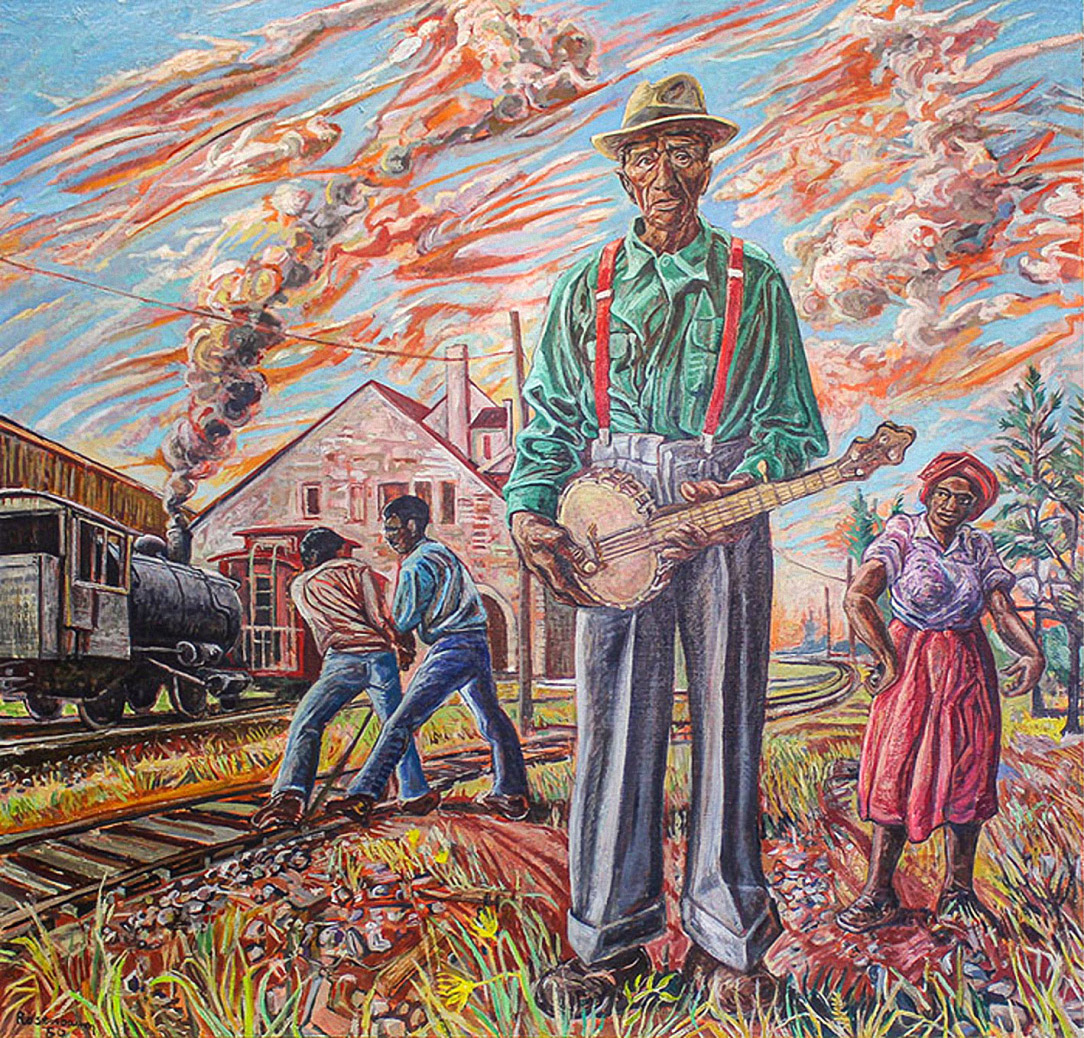
Art Rosenbaum, 1980.
Jake Staggers, Toccoa, Georgia.
Oil on canvas, 52 × 54 in.
Showcased at the event “Imaginary Landscapes: Stories from the American South,” 2022, Highlands, North Carolina.
A Notable First Step
In the early summer of 1957, Art Rosenbaum and Ed Kahn—two aspiring folklorists and ethnomusicologists who were just 19 years old—swept up in the early stages of the great American folk revival, traveled to Hamilton, Ohio. Hamilton was a mid-sized city experiencing significant population growth during the 1950s, where banjoist Pete Steele2 had settled. At the time of this initial meeting, Steele had put aside his banjo in favor of a firearm and had not played for a long period. Recognizing the situation, they provided him with an instrument, which almost instantly revived his remarkable dexterity. In August of that same year, Ed Kahn returned to record Steele, who was now fully operational again. This resulted in Banjo Tunes and Songs (Folkways Records FS3828, 19583), an essential album for any old-time music enthusiast.
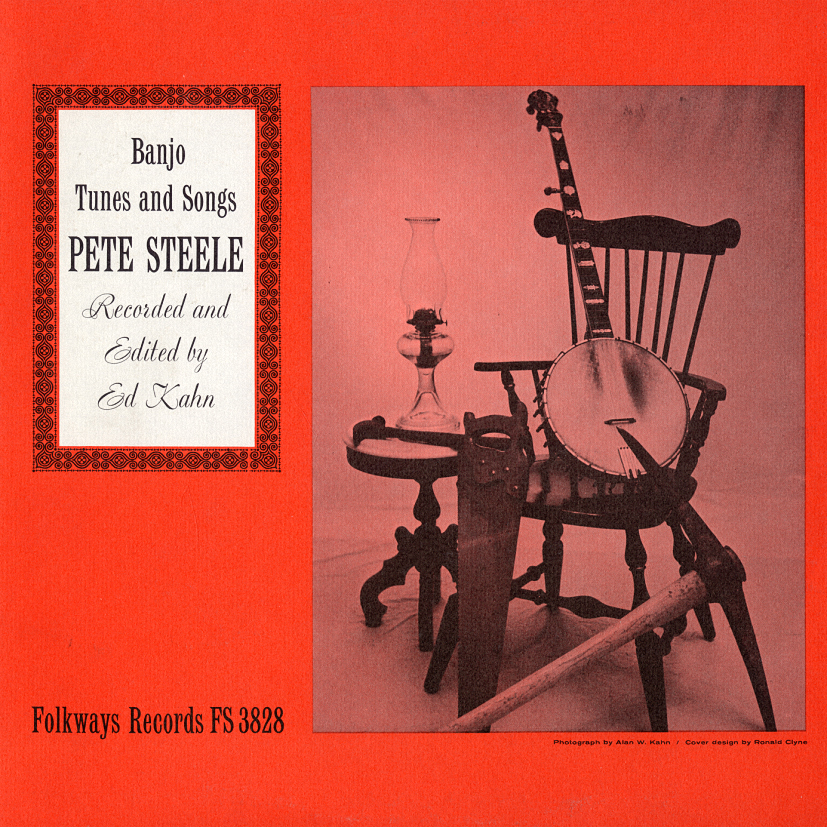 Following a 1938 field trip to Kentucky undertaken by Alan and Elizabeth Lomax4 for the Library of Congress, which included recordings of “Coal Creek March” and “Pay Day at Coal Creek,” Pete Steele (1891–1985) had already established a reputation among revivalists. Pete Seeger (1919–2014)—hired in 1939 as Lomax’s assistant at the Library of Congress—was deeply impressed by Steele’s playing and subsequently considered him one of the finest traditional five-string banjo players in the United States5. Steele, however, never aspired to pursue a commercial career in music.
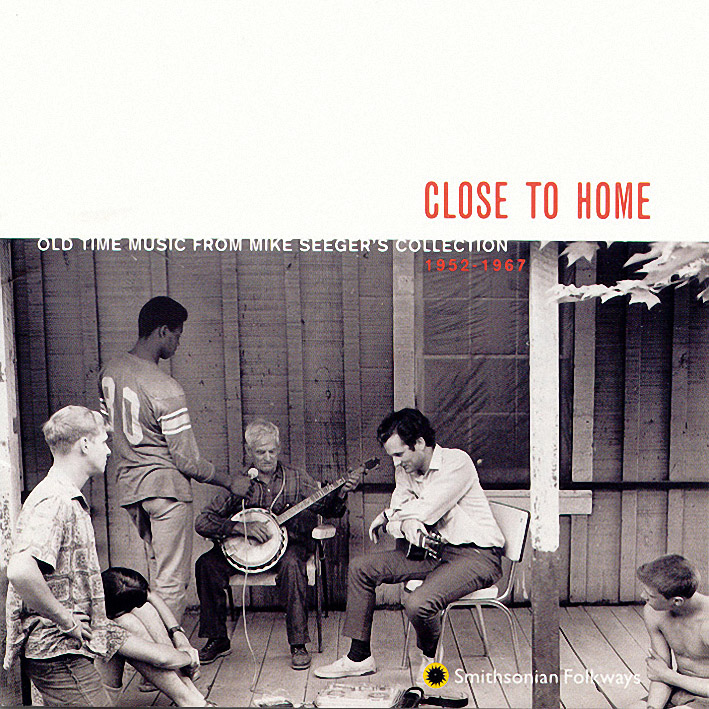
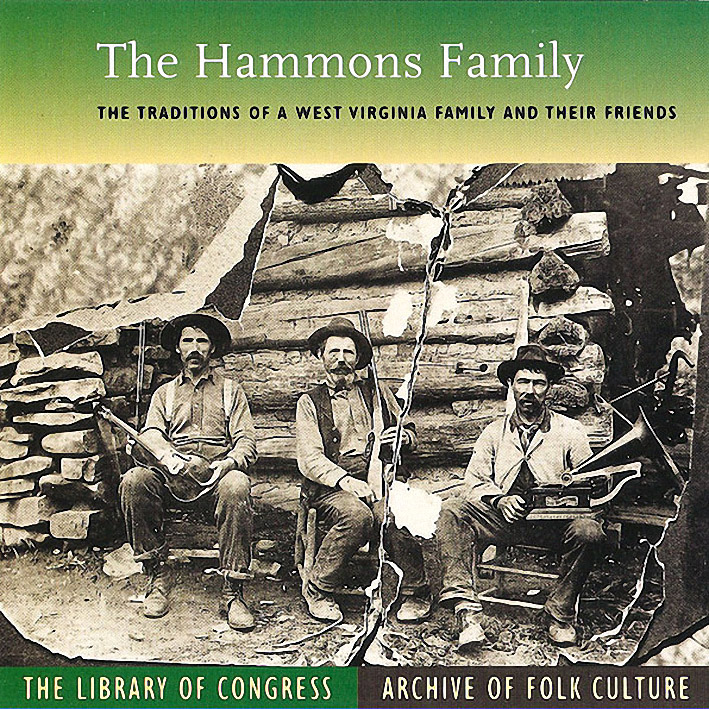
This brief episode serves as a reminder that from the very beginning of the major folk revival, Art Rosenbaum—initially inspired by Pete Seeger (How to Play the Five-String Banjo, 1948, 1952, 1962) and Harry Smith’s Anthology of American Folk Music (Folkways Records, 1952)—became involved very early in locating and documenting traditional musicians. In doing so, he followed in the footsteps of John and Alan Lomax, as well as Mike Seeger (Close to Home: Old Time Music from Mike Seeger’s Collection, 1952-1967, Smithsonian Folkways SFW40097, 1997) and John Cohen (High Atmosphere: Ballads and Banjo Tunes from Virginia and North Carolina, Collected by John Cohen, Rounder Records CD0028, 1995). This path was also later pursued by Alan Jabbour, Carl Fleischauer, and Dwight Diller (The Hollow Rock String Band, Rounder Records 0024, 1974; The Hammons Family: A Study of a West Virginia Family’s Tradition, Library of Congress, 1973, and Rounder CD-1504/05, 1998).
In the years that followed, Rosenbaum continuously recorded obscure banjo players, analyzed their styles and repertoires, and traced their origins. His first instructional book, Old-Time Mountain Banjo (Oak Publications, 1968), was among the first to clarify the core specificities of the five-string banjo for a specialized audience, detailing numerous playing techniques and their relationship to a wide array of alternative tunings. This method was followed by The Art of the Mountain Banjo (Mel Bay / Kicking Mule Records, 1975, reissued in 1998). In Old-Time Banjo Book: Forty-Seven Old-Time 5-String Banjo Tunings and Picking Styles (Mel Bay / Stefan Grossman’s Guitar Workshop, 2014), he compiled a lifetime of accumulated research, offering a brilliant demonstration of his art while connecting listeners to the most authentic strains of Southern Appalachian music. The book features both prominent musicians marketed in the 1920s and 1930s under the commercial category of “hillbilly artists”—such as Charlie Poole, Uncle Dave Macon, Buell Kazee, and Dock Boggs—as well as completely unknown players recorded during field sessions, whose playing illustrated regional traditional styles specific to particular geographic areas.
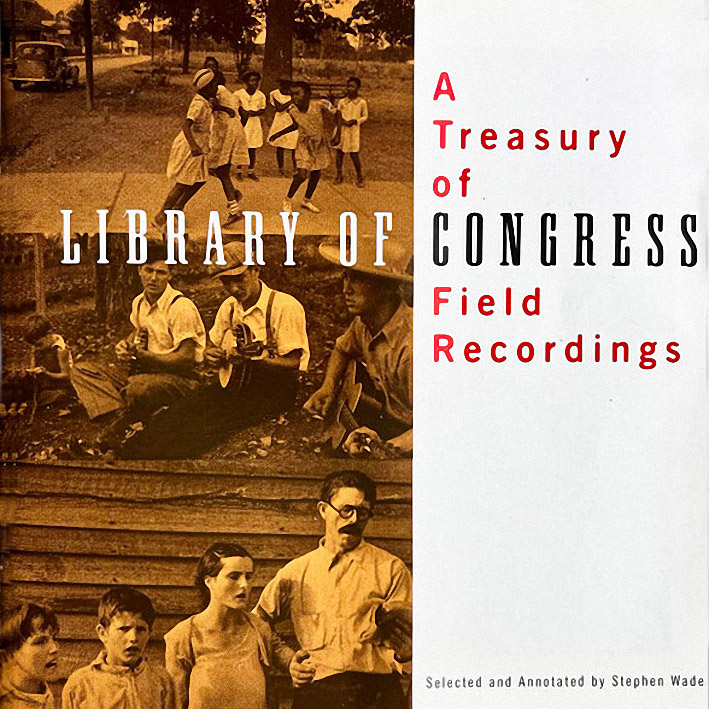
A Treasury of Library of Congress Fields Recordings. Rounder CD-1500, 1997.
Close to Home: Old Time Music from Mike Seeger’s Collection, 1952-1967. Smithsonian Fokways SFW40097, 1997.
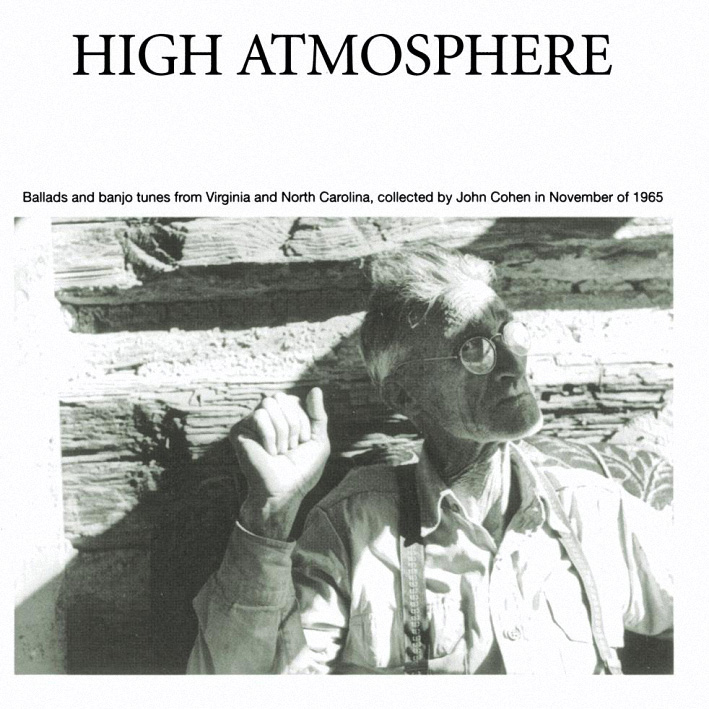
High Atmosphere: Ballads and Banjo Tunes From Virginia and North Carolina, Collected by John Cohen. Rounder Records CD0028, 1995.
The Hammons Family: A Study of a West Virginia Family’s Tradition. Library of Congress, 1973 et Rounder CD-1504/05, 1998.
Art Rosenbaum’s Old-Time Banjo Book
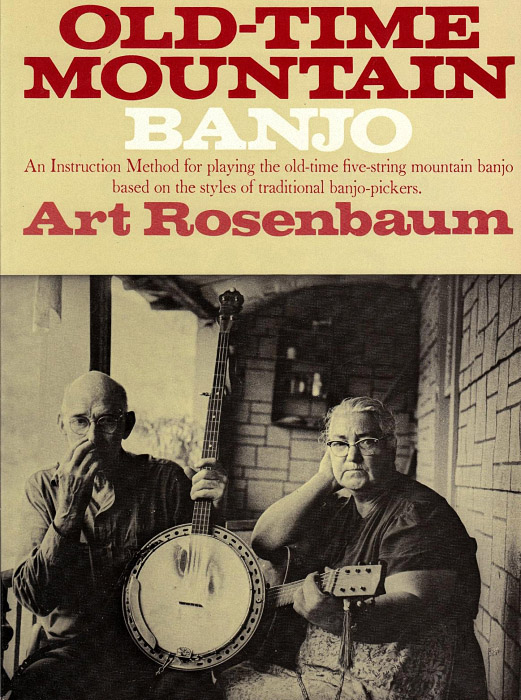
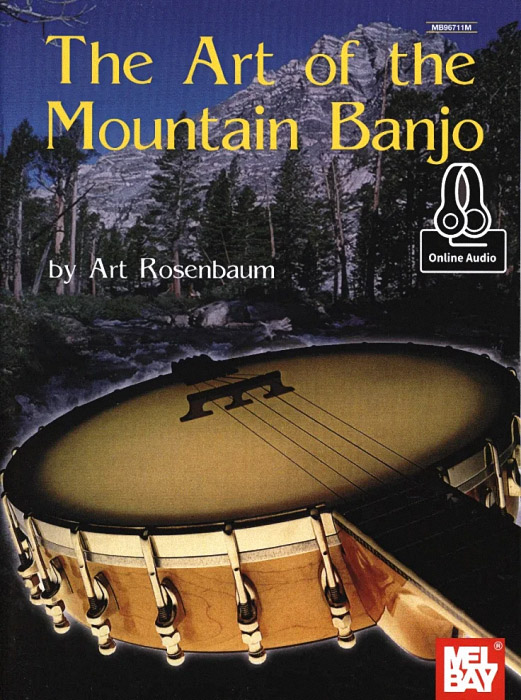
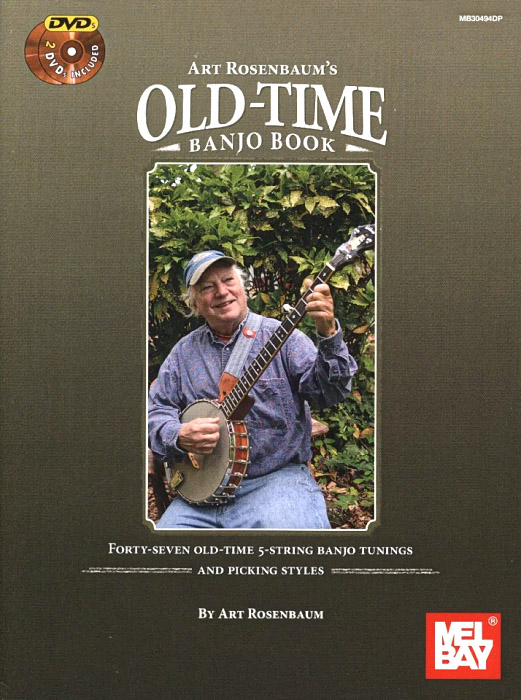
These technical publications represent three essential instructional methods for studying old-time banjo playing techniques and tunings.
[see also Anita Kermode, “5-String Banjo Tunings,” https://zeppmusic.com/banjo/aktuning.htm]
These were all accompanied by high-quality recordings produced by Rosenbaum himself. His personal discography began in 1962 with Folk Banjo Styles (Bounty BY-6021), an LP recorded in collaboration with Eric Weissberg and Marshall Brickman—who, alongside Steve Mandel, performed the soundtrack for the film Deliverance—as well as Tom Paley of the New Lost City Ramblers and The Dillards, a seminal 1960s bluegrass group.
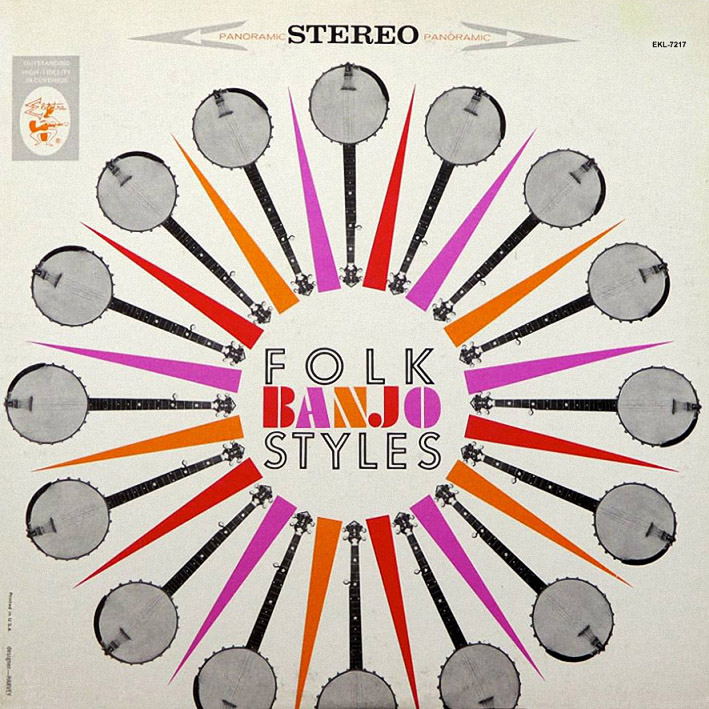
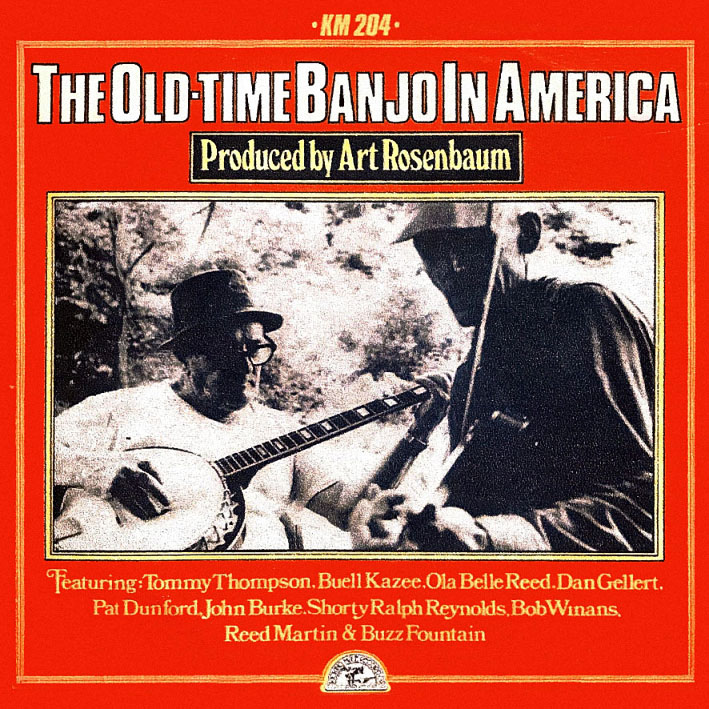
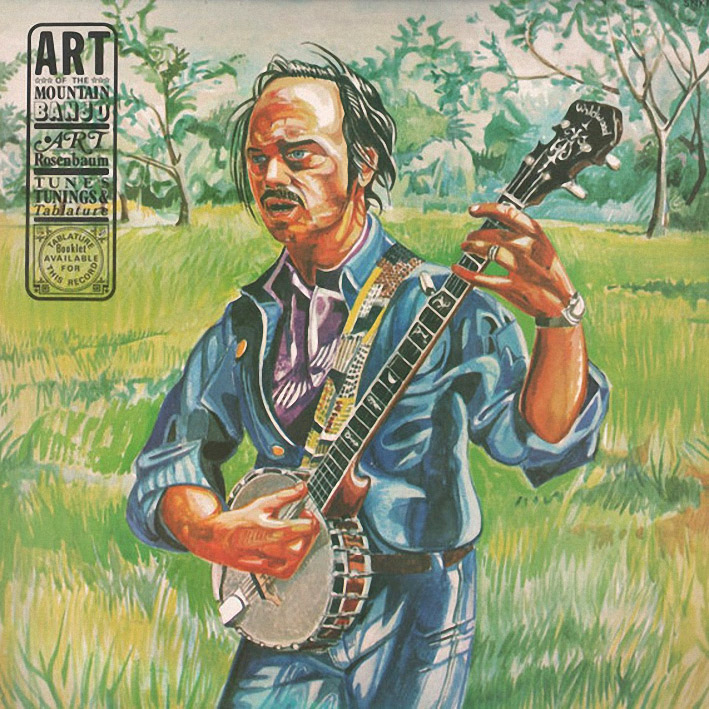
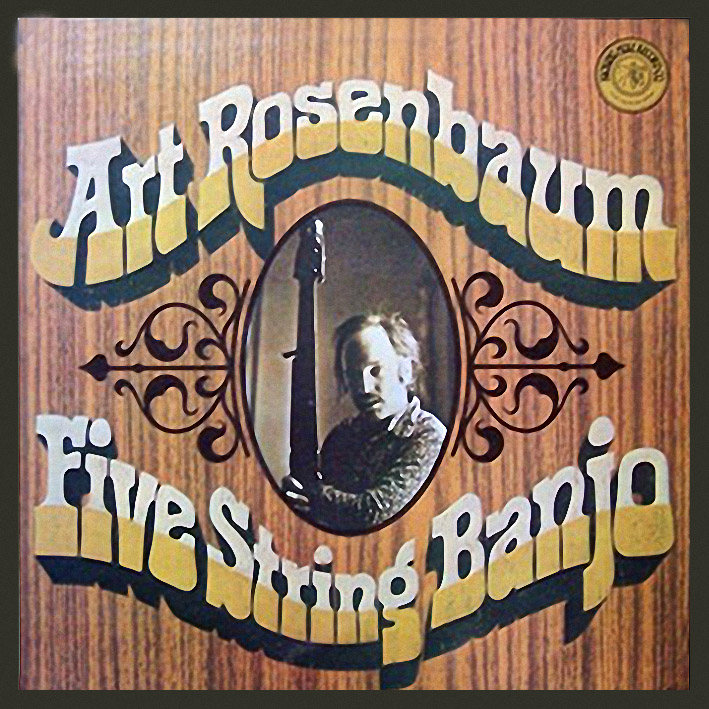
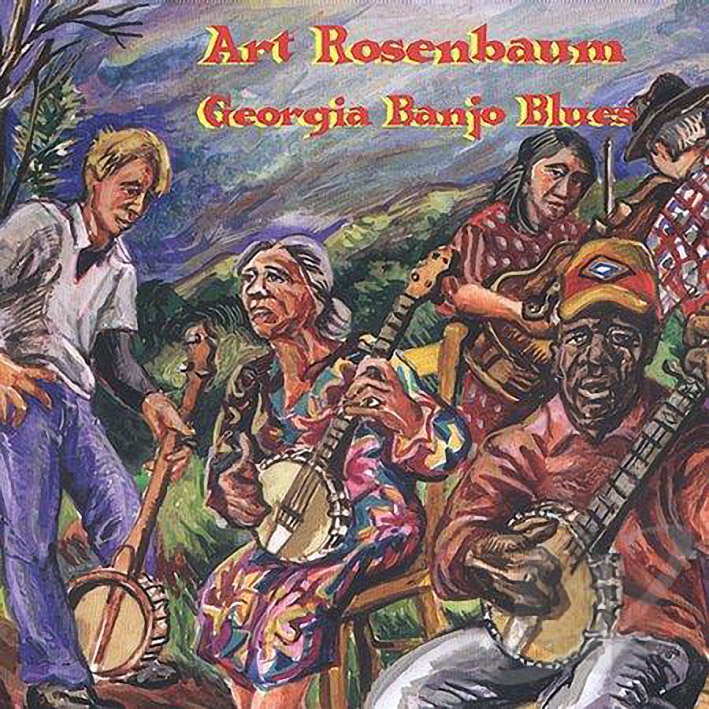
- Folk Banjo Styles. Bounty BY-6021 / Elektra EKL-217, 1962
- Art Rosenbaum and Al Murphy. Meadowlands MS-2, 1972.
- Five-String Banjo. Sonet, 1973 / Kicking Mule, 1974.
-
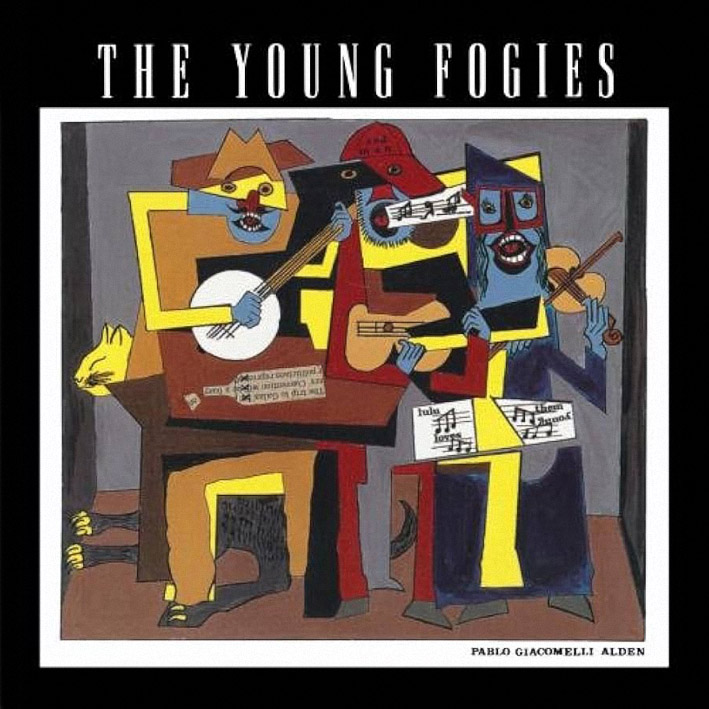
The Young Fogies. Heritage 056, 1985 / Rounder 0319, 1994
[écouter Poor Boy in Jail]
https://www.youtube.com/watch?v=-_y43N0wSzE - The Art of the Mountain Banjo. Kicking Mule Records KM-203, 1975.
- Georgia Banjo Blues. Global Village CD-313, 2003.
-
Art Rosenbaum and Al Murphy. Fiddle and Banjo Music from Iowa and Another Place or Two.2003.
[1970’ recordings] - The Iron Mountain Baby and other Railroad Songs, Banjo Songs, and Ballads. A. Rosenbaum, 2015.
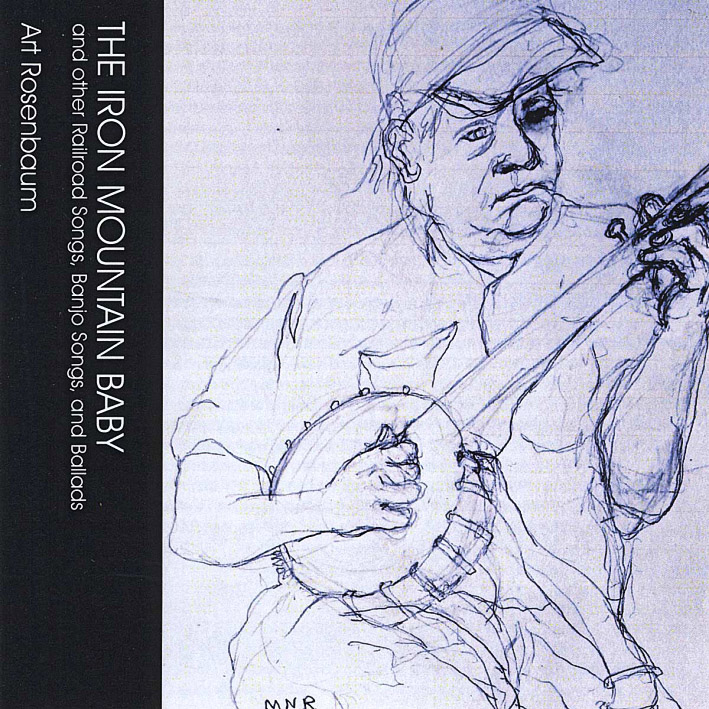 While a substantial portion of Art Rosenbaum’s work focuses on the five-string banjo, although he was also an accomplished fiddler, his legacy equally resides in the publication of an impressive volume of field recordings. His research extended to other facets of American vernacular music, encompassing traditional ballads, instrumental tunes, dance music, blues, sacred songs, gospel, storytelling, and archaic traditions directly rooted in the era of slavery, such as the ring shout.
Due to the military reassignments of his father, an American Army physician, Rosenbaum spent much of his youth in Indianapolis. In the early 1960s, he set out to document artists from the Indiana School of Blues, a project that led to a series of albums on Bluesville, a subsidiary of Prestige Records. This label was managed by the prominent folklorist Kenneth Goldstein (1927—1995)—a leading figure of the early folk revival who taught at Columbia University and the University of Pennsylvania. Notable examples include the albums of bluesmen Scrapper Blackwell (1903—1962) and Brooks Berry (1900—1976), recorded in 1962 and 1963 respectively: Mr. Scrapper’s Blues (BV-1047) and My Heart Struck Sorrow (BV-1074).
Folk Visions & Voices: Traditional Music & Song in Northern Georgia, was the result of a long-term field collection project released by Folkways in 1984. In addition to comprehensive liner notes, this audio fieldwork was complemented by an eponymous book published by the University of Georgia Press (1983).
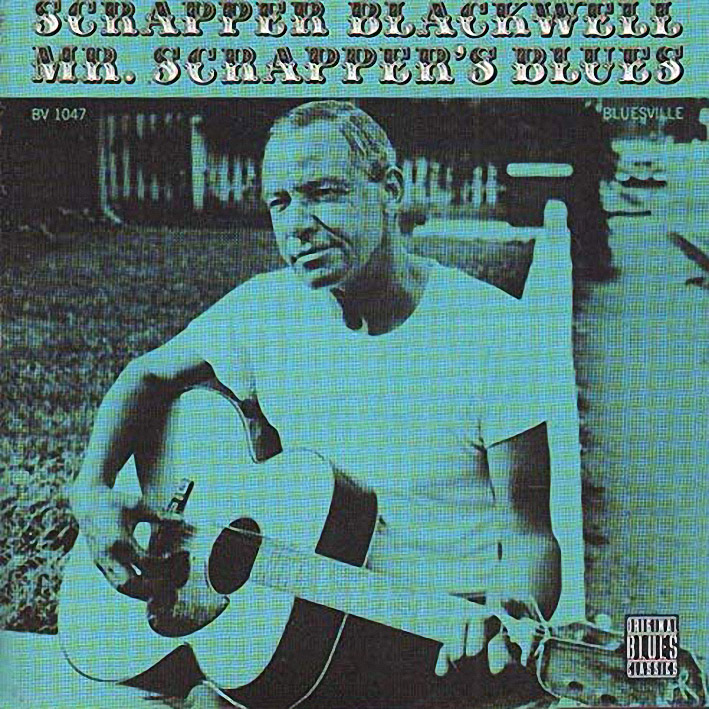
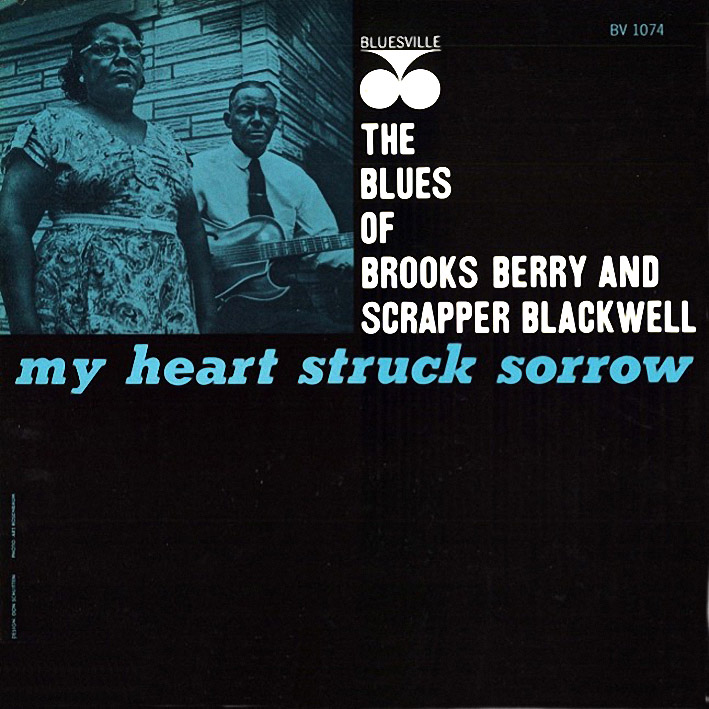
Bluesville Records (Prestige) BV1047 et 1074.
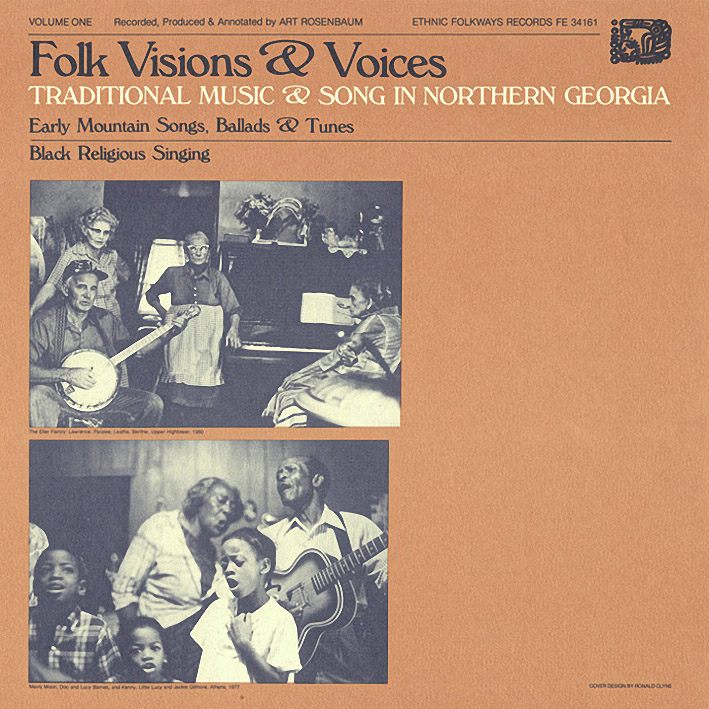
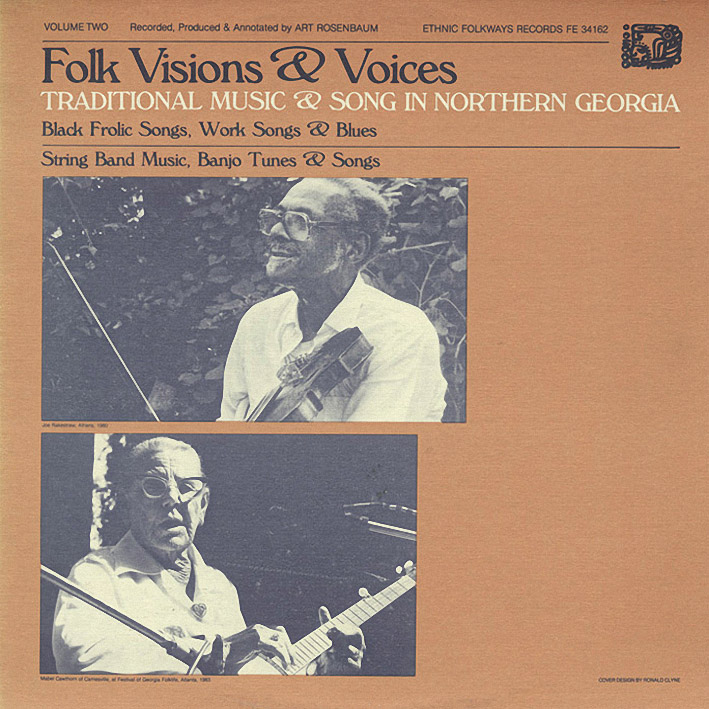
Folkways Records FW-34161 & 34162, 1984.
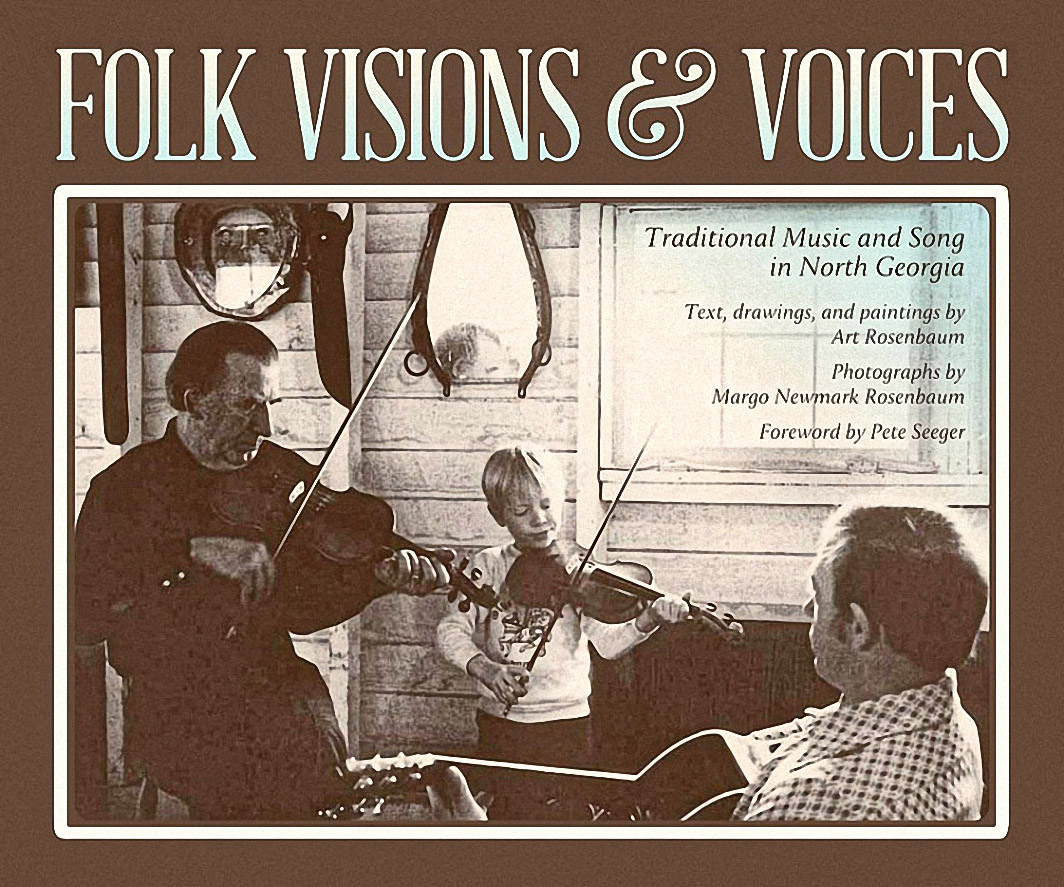
Art Rosenbaum. Folk Visions and Voices: Traditional Music and Song in North Georgia,
Athens, Georgia: University of Georgia Press, 2013 (1983), 260 p.
[book related to the Folkways records shown above]
This work was subsequently followed by Art of Field Recording Volume I & II: Fifty Years of Tradional American Music Documented by Art Rosenbaum (Dust-to-Digital DTD-08, 2007; DTD-12, 2008), which won a Grammy Award in 2009 for Best Historical Album. Each volume consists of four CDs thoroughly documented in a 96-page booklet illustrated by Art Rosenbaum and Margo Newmark. This project—inspired by Harry Smith’s Anthology of American Folk Music—organized the tracks according to a thematic classification. Through this monumental effort, Rosenbaum preserved the memory of anonymous or amateur musicians recorded in their living rooms, local grocery stores, or neighborhood churches, saving a vanishing oral culture from obscurity.
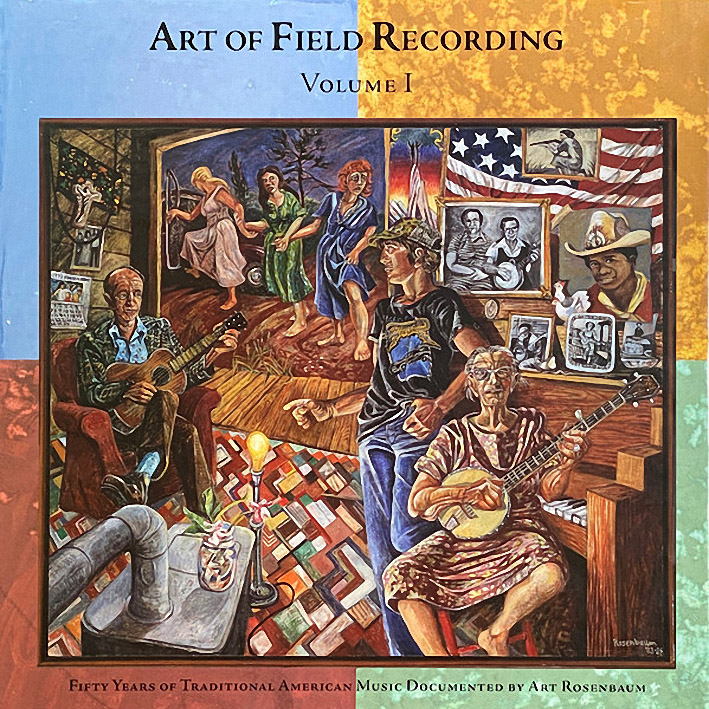
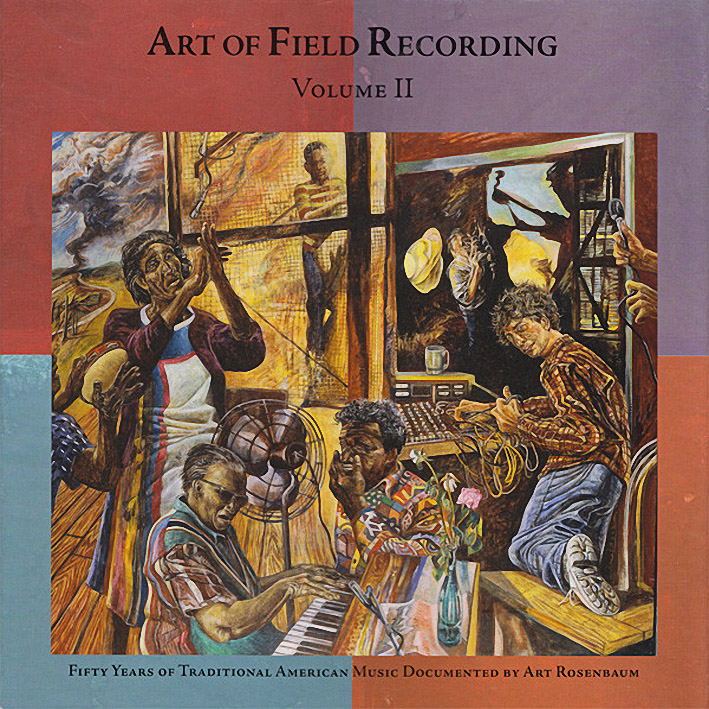
Art of Field Recording Volume I & II: Fifty Years Of Tradional American Music Documented by Art Rosenbaum.
(Dust-to-Digital DTD-08, 2007; DTD-12, 2008)
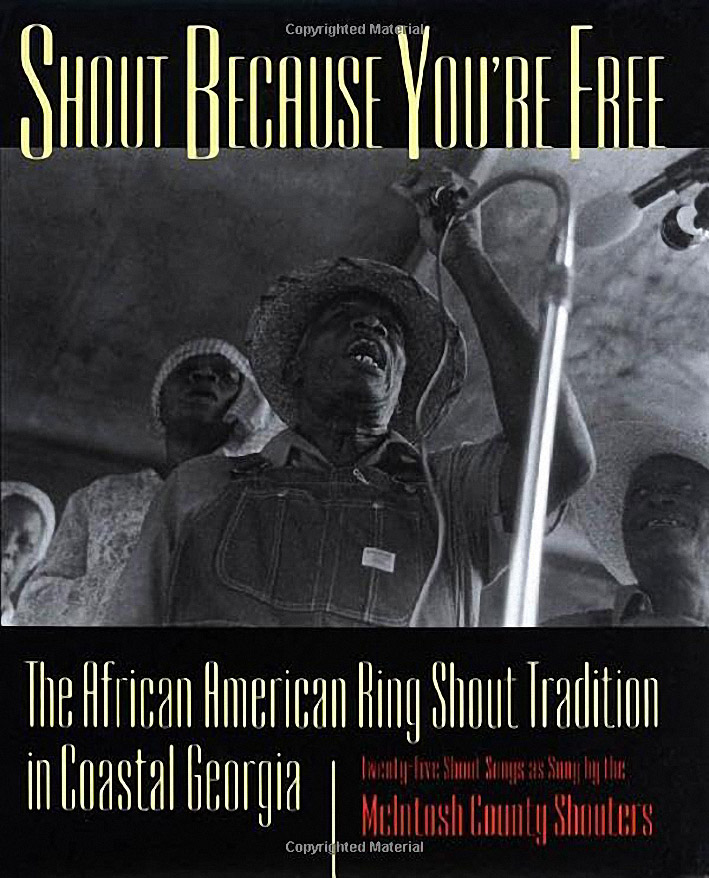
Art Rosenbaum, Margo Newmark. Shout Because You Are Free: The African American Ring Shout Tradition in Coastal Georgia.
Athens: University of Georgia Press, 1998, 190 p.
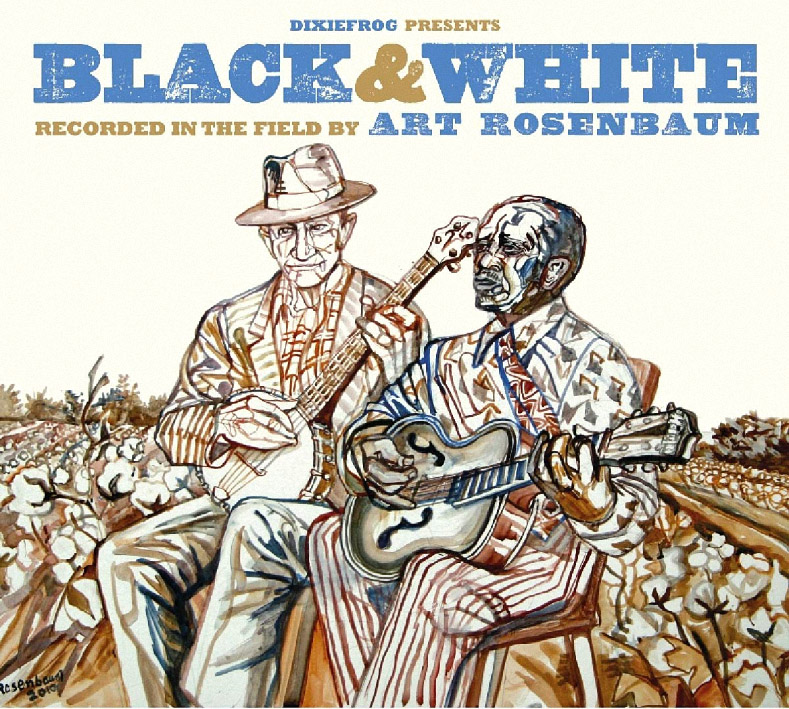
.jpg)
Black & Whites Recorded in the Field by Art Rosenbaum. DixieFrog DFGCD 8697, 2010.
Sing My Troubles By: Visits with Georgia Women Carrying Their Musical Traditions into the 21st Century. Documentary film.
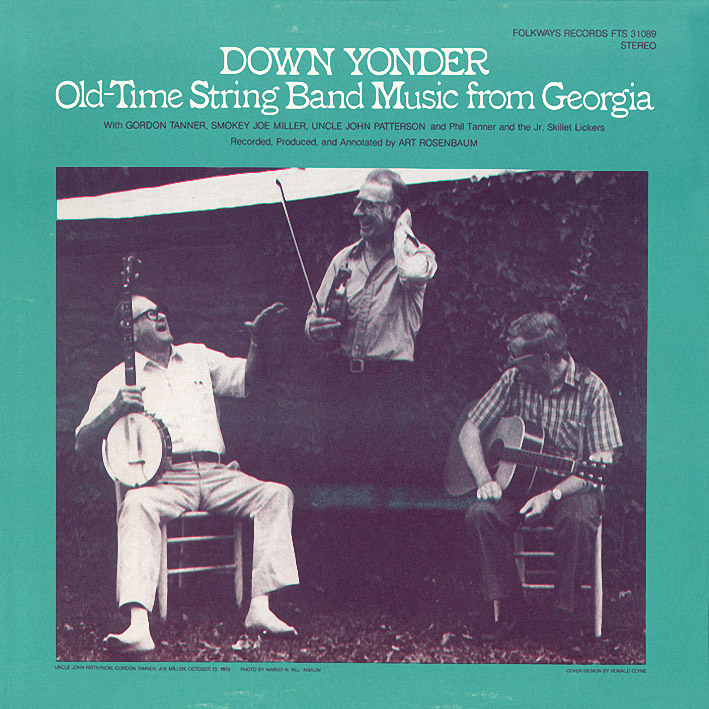
Down Yonder. Old-Time String Band Music from Georgia. Folkways Records FTS-31089, 1982.
The influential trio reviving the repertoire of Gid Tanner & His Skillet Lickers, legendary figures from the early days of country music.
https://folkways-media.si.edu/docs/folkways/artwork/FW31089.pdf
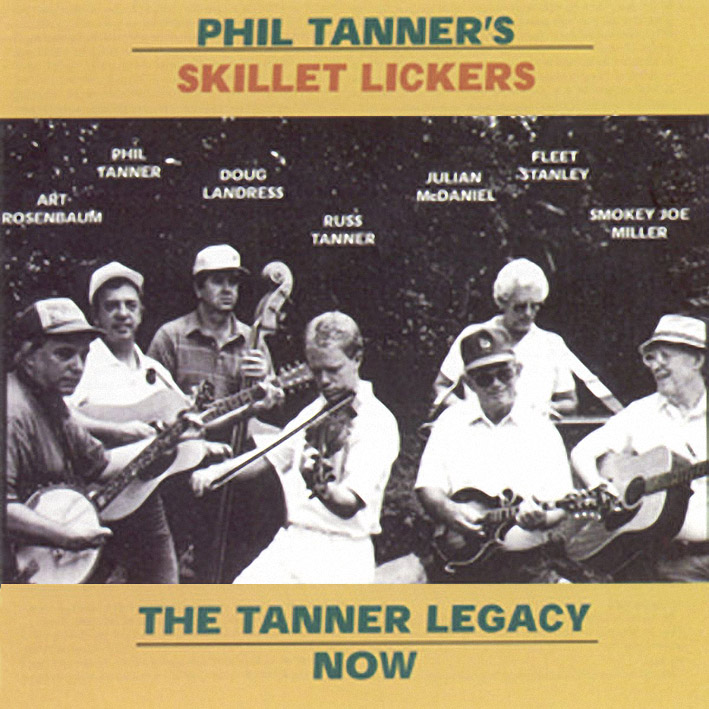
The Tanner Family Now: Phil Tanner’ Skilled Lickers. Global Village, 2007 (1997).
In 1976, shortly after arriving in Athens, Rosenbaum met Gordon Tanner (1916–1982)—son of Gid Tanner (1885–1960)—and his family. Gid Tanner had been the famous fiddle-playing leader of the Skillet Lickers, an influential string band that pioneered early country music in the 1920s and 1930s. This encounter led to the recording of two albums: Down Yonder (Folkways Records, 1982), featuring the colorful Uncle John Patterson (1910–1980), and The Tanner Family Now (Global Village, 2007), which documented the final iteration of the Skillet Lickers in which Rosenbaum participated. He thus revitalized the legacy of the Tanners, whose musical tradition spanned four generations of Georgia fiddlers. This connection underscores that Atlanta—as well as being the birthplace of Martin Luther King Jr. (1929—1968)—historically served as a major incubator for old-time music and an early epicenter of the country music industry.
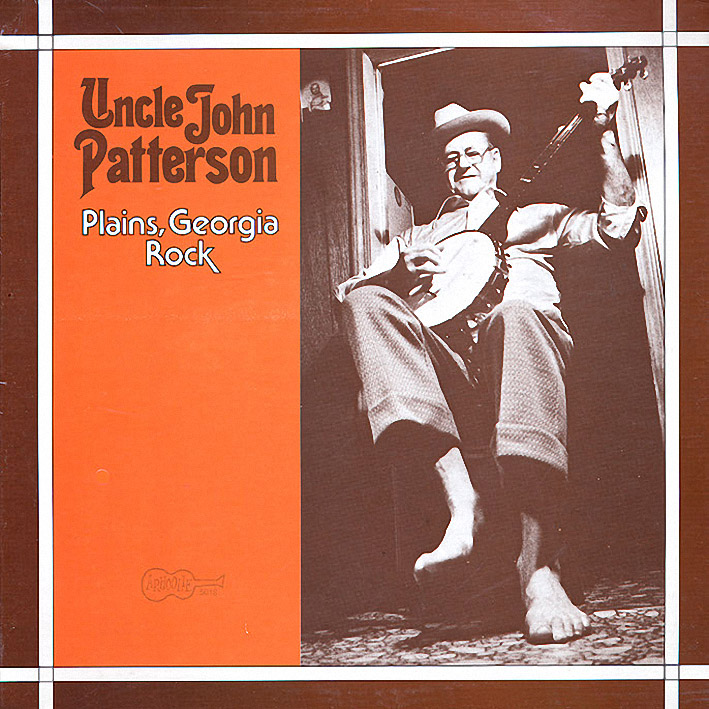
Suggestion, Uncle John Patterson. Arhoolie Records 5018
Other publications
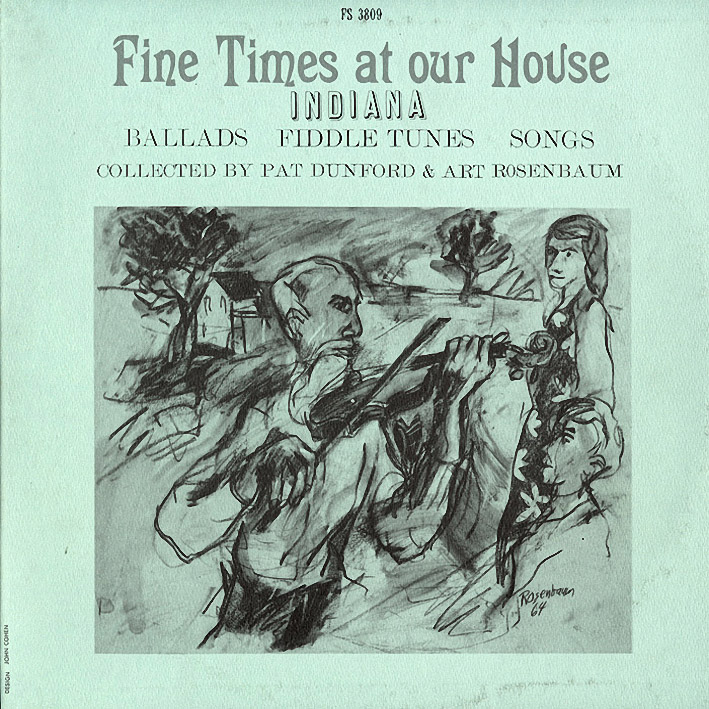
Fine Times at our House. Indiana Ballads, Fiddle Tunes, Songs. Collected by Pat Dunford & Art Rosenbaum.
Folkways Records FS-3809, 1964 [including fiddler John W. Summers]
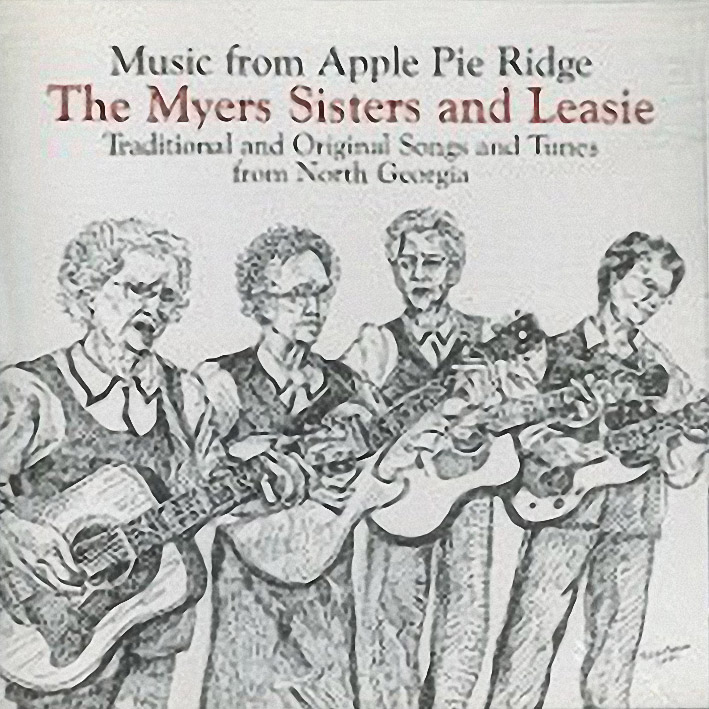
Music from Apple Pie Ridge. The Myers Sisters and Leasie. Traditional and Original Songs and Tunes from North Georgia.
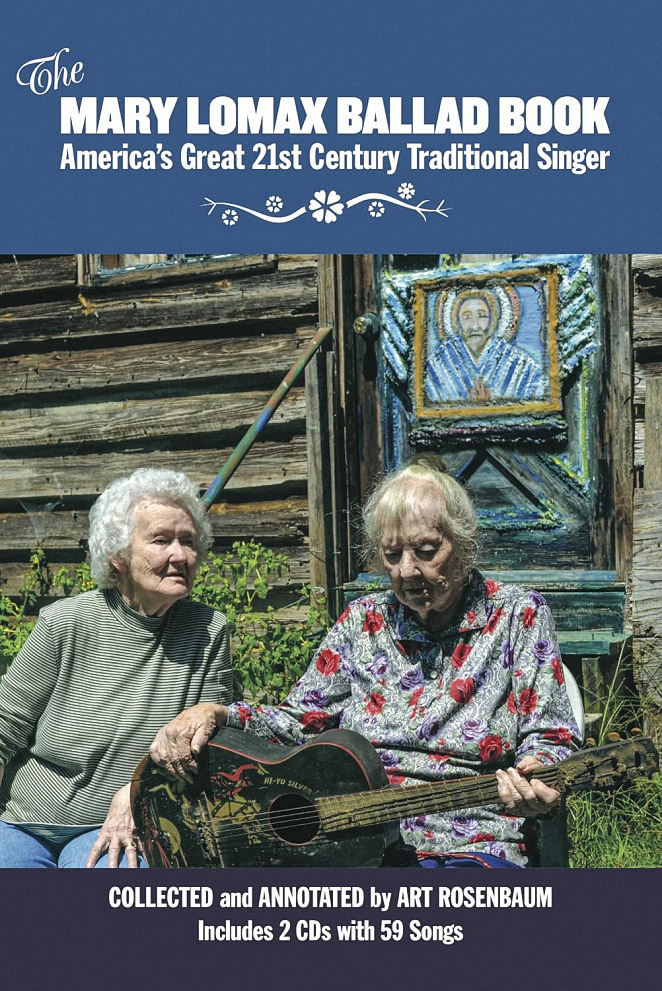
Art Rosenbaum. The Mary Lomax Ballad Book: America’s Great 21st Century Traditional Singer.
Loomis House Press, 2013, 210 p. [foreword by Alice Gerrard]
In conclusion, Art Rosenbaum advocated for a comprehensive, multidisciplinary approach to the five-string banjo and American folk music. The technical aspects of playing the instrument, developed in his instructional books, represent only one facet of a much broader endeavor. As a musician, painter, writer, and educator, Rosenbaum operated within a wider cultural vision. His defense of African American music and civil rights constituted a prominent element of this vision, directly anticipating or intersecting with contemporary socio-political discourse on systemic racial equity. In this regard, his convictions aligned with those of other major banjoists and scholars, such as Pete and Mike Seeger, Béla Fleck, Bob Carlin, Robert Winans, and Joe Ayers, alongside historians Scott Odell and Cecelia Conway. Today, this discourse is prominently carried forward by figures like Rhiannon Giddens (b. 1977) and the young musician Jake Blount (b. 1995), the latter of whom, while deeply respecting heritage, steers the Black banjo tradition toward visionary future horizons
While a comprehensive understanding of every historical detail is not required to appreciate this music, examining it through the lens of Art Rosenbaum’s work restores it to its proper context and illuminates its true significance.